DEI Is Not Disappearing. It Is Growing Up.
At RDCC’s Future of DEI Conference 2026, business leaders, legal experts and inclusion practitioners gathered in Bucharest to ask a harder question than whether DEI still matters: how can inclusion become credible, measurable and essential to business performance in the years ahead?
At a time when diversity, equity and inclusion has become one of the most contested phrases in global business, the conversation in Bucharest did not sound like a retreat.
It sounded like a reset.
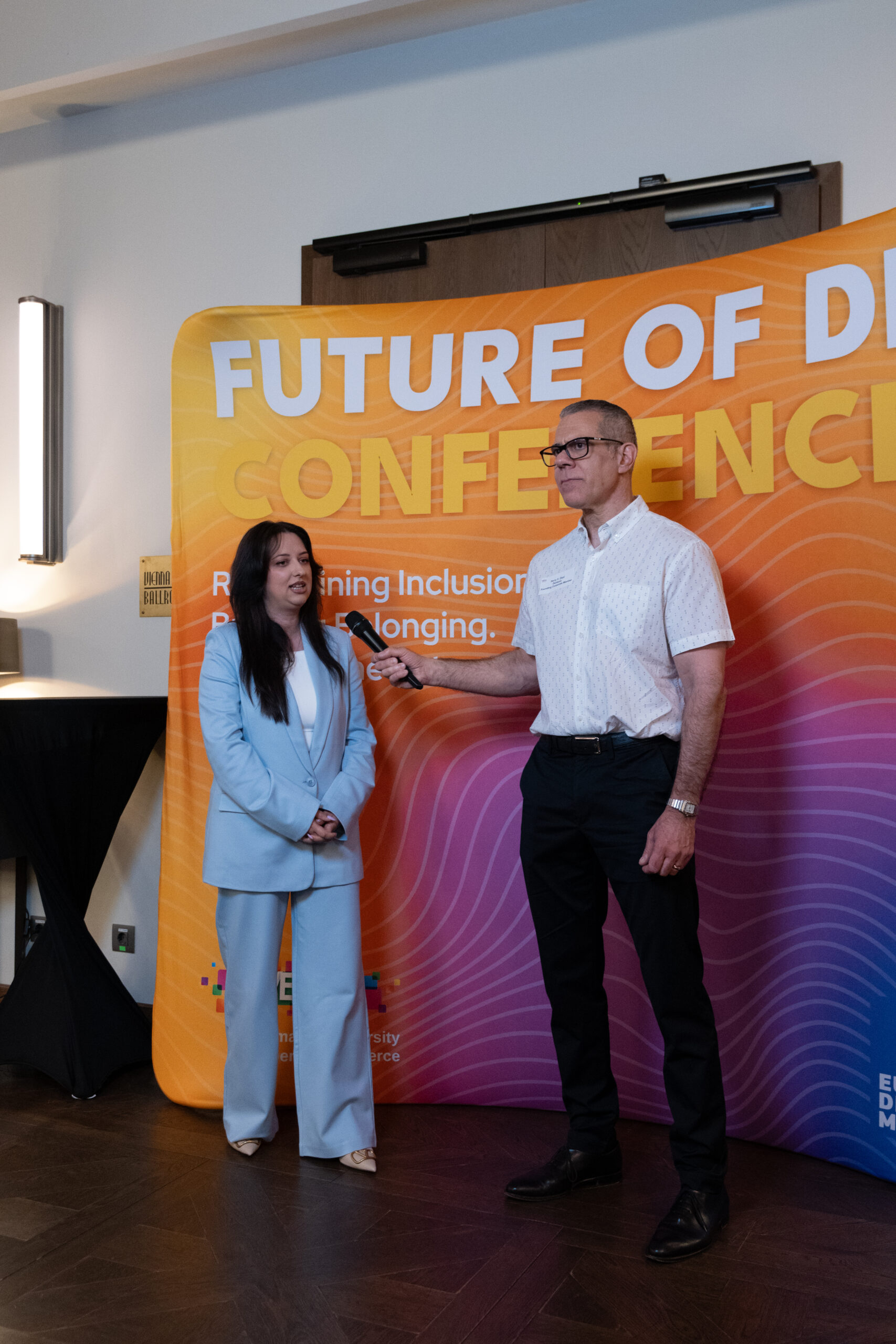
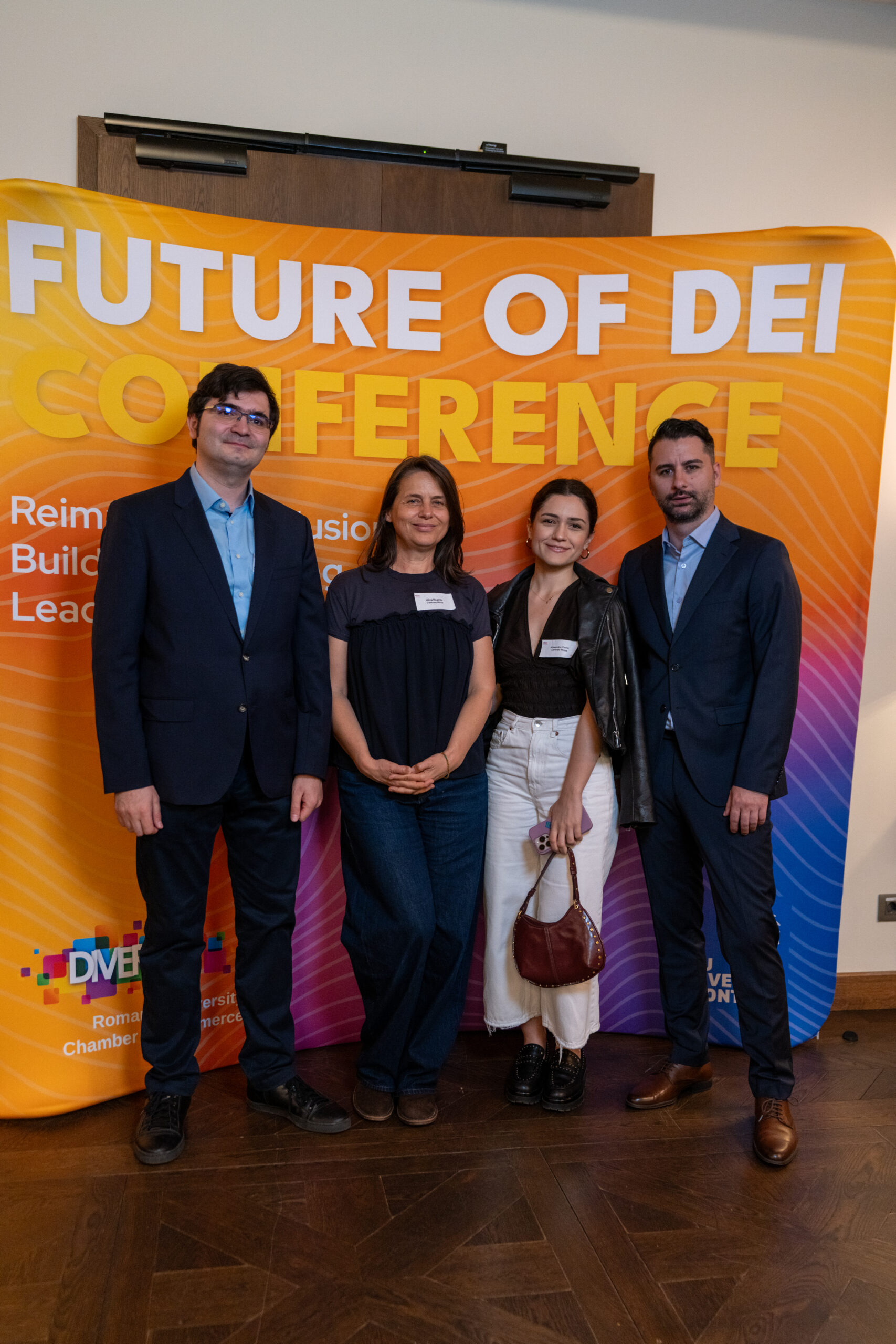
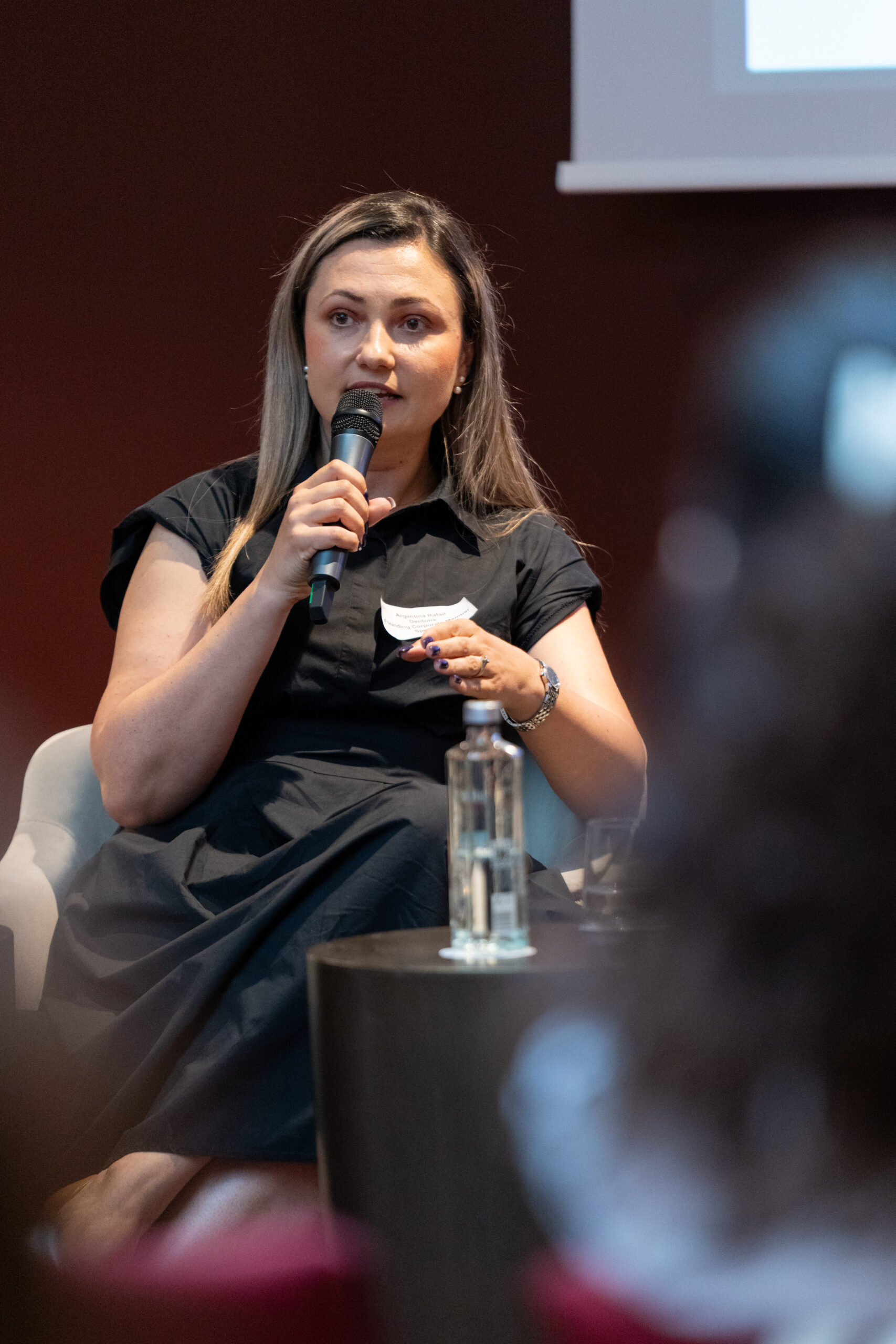
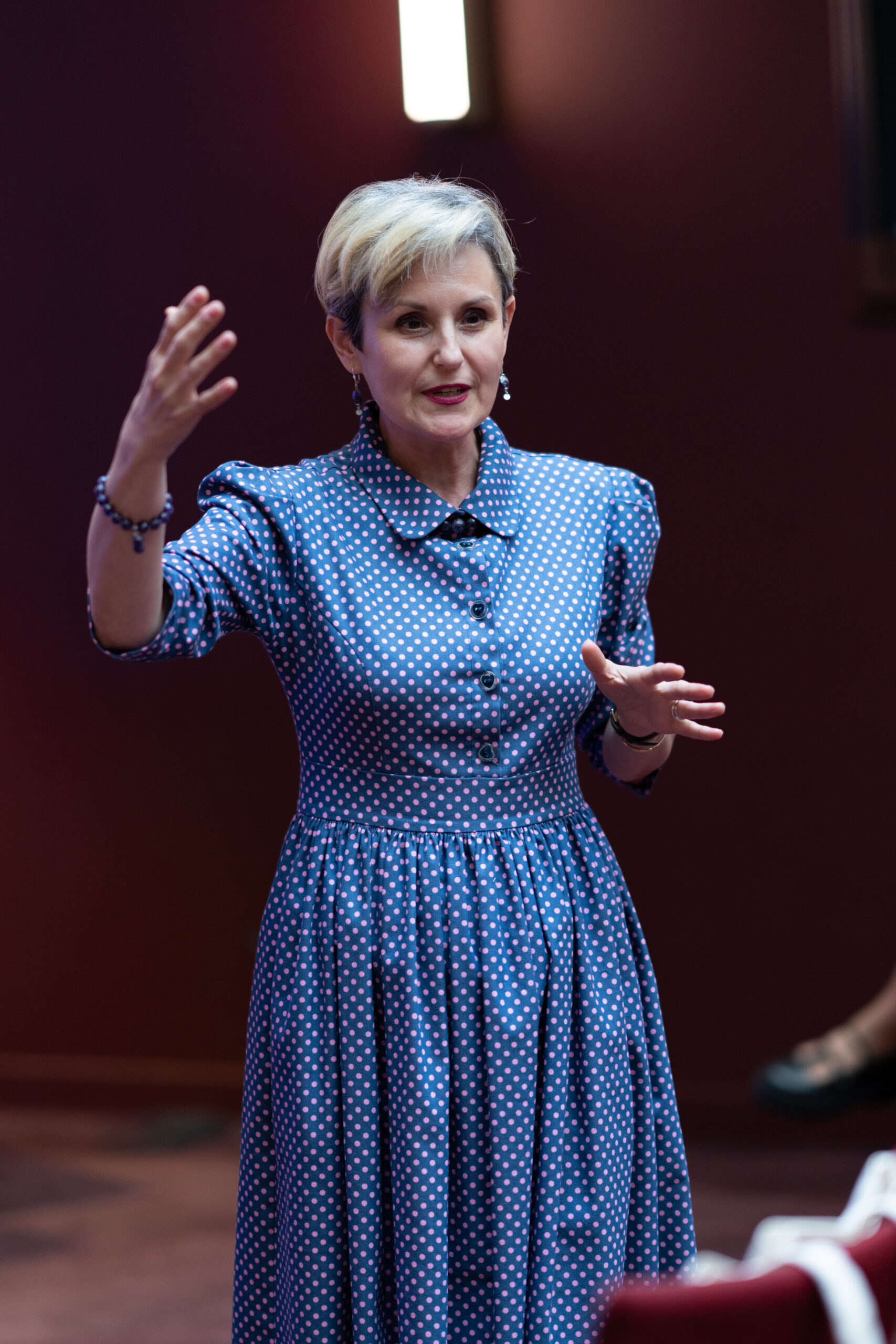
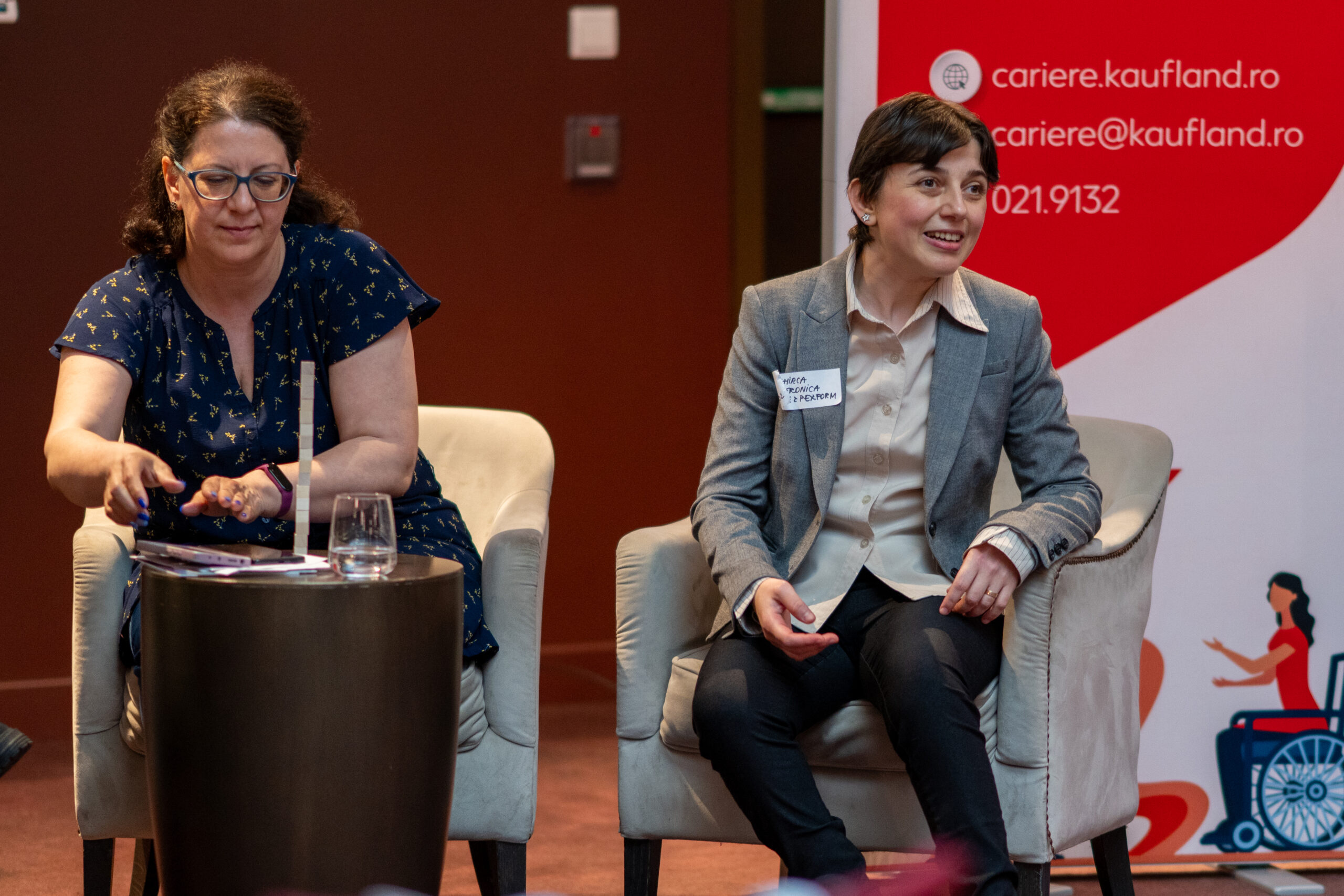
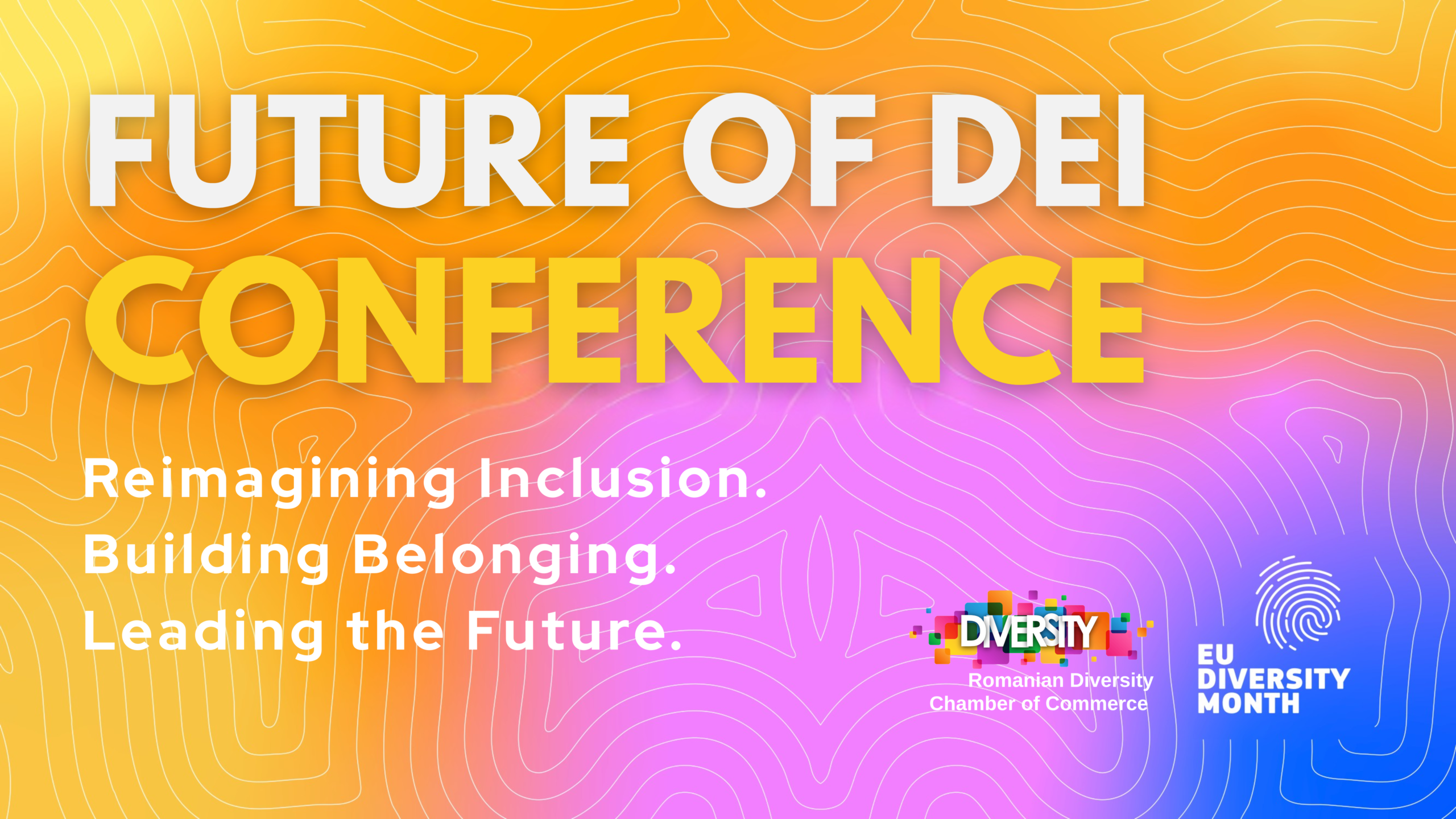
On 12 May, the Romanian Diversity Chamber of Commerce convened the 6th edition of the Future of DEI Conference at The Marmorosch Bucharest, under the theme “Reimagining Inclusion. Building Belonging. Leading the Future.” Organised as part of EU Diversity Month, the event brought together business leaders, HR professionals, DEI practitioners, policymakers, ESG and compliance leaders, legal experts and transformation teams to examine how inclusion can become a practical driver of trust, performance and long-term competitiveness.
The timing mattered. Across global boardrooms, companies are navigating a new and sometimes uncomfortable reality. In the United States, DEI has faced mounting political and legal backlash, with several major companies scaling back, renaming or revising parts of their diversity strategies. Reuters reported that European companies with U.S. exposure, including Roche, Novartis, UBS and GSK, adjusted some diversity commitments or language in response to U.S. policy pressure. (Reuters) AP also reported that European countries resisted U.S. pressure to scrap diversity and inclusion initiatives, underscoring the difference between the American political climate and Europe’s equality-driven regulatory environment. (AP News)
That tension framed the day. But RDCC’s conference made one thing clear: in Europe, the future of DEI will not be defined by slogans. It will be defined by governance, evidence, leadership behaviourand business outcomes.
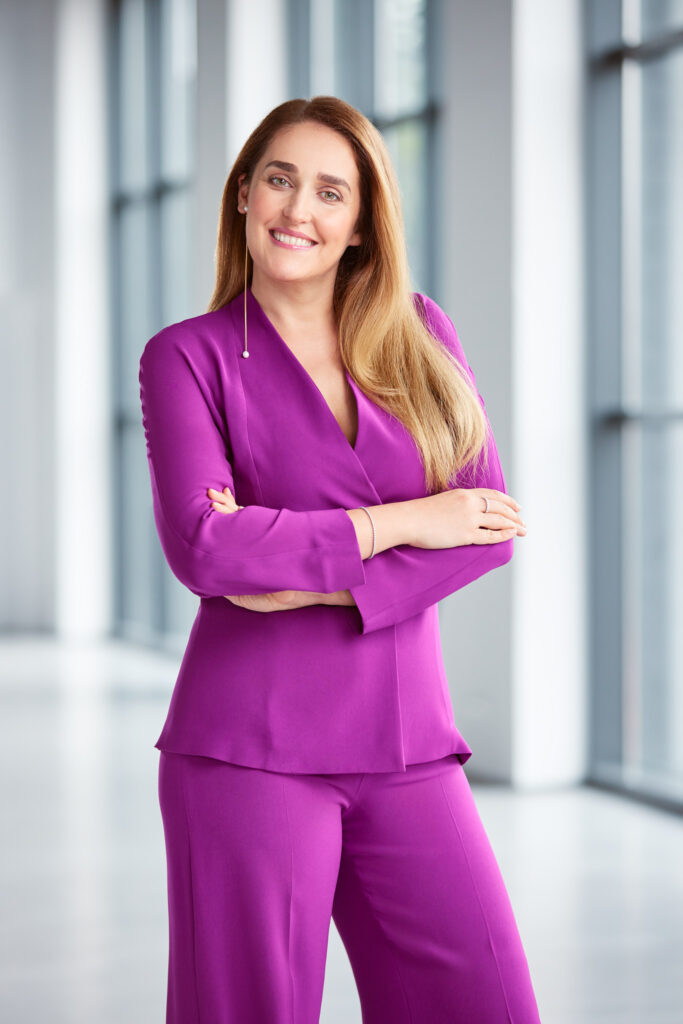
“We are living through a moment in which business leaders are caught between conflicting pressures,” said Estera Anghelescu, President of RDCC, in the conference press materials, pointing to AI-driven labour-market change, shifting generational expectations and the global polarisation of DEI. The risk, she warned, is that companies either abandon inclusion or leave it at the level of website statements. The conference, she said, was designed to help companies “move beyond the noise,” understand what works in practice and build approaches that can be measured.
That phrase — move beyond the noise — became the quiet thesis of the day.
From pressure to proof
The opening panel, “The Future of DEI Under Pressure — What 2025 Taught Us, What Still Works, and What Must Change”, tackled the question many leaders are asking but few say out loud: what happens when DEI becomes polarising inside the organisation?
The answer was not to become defensive. It was to become clearer.
The attached agenda framed the discussion around what the U.S. DEI backlash is really telling us, what actually worked in 2025, what did not, and how organisations can protect inclusion work without becoming ideological. It also asked what evidence, language and leadership behaviours can rebuild trust in DEI.
That is a significant shift. For years, companies often described DEI as an expression of values. Increasingly, Europe is pushing companies to connect those values to systems: who gets hired, who gets promoted, who is paid fairly, who has access to development, whose voice is heard before decisions are made, and who is left to carry the invisible cost of belonging.
This is where RDCC’s mission becomes especially relevant. As a business-driven organisation, RDCC works to foster inclusive economic growth and corporate innovation, supporting companies inintegrating fairness and future-ready business strategies so they remain competitive in European and global markets.
That mission now sits at the centre of Europe’s business future.
The EU Pay Transparency Directive, for example, requires member states to implement legislation by 7 June 2026, and companies will be required to share salary information and act when unjustified gender pay gaps exceed 5%. (Consilium) Large listed EU companies will also face gender-balance requirements on boards from 30 June 2026, with targets of 40% of non-executive board positions or 33% of all board positions held by the underrepresented sex. (European Commission)
In other words, inclusion is becoming less optional, less cosmetic and more operational.
The workplace is where inclusion either happens — or doesn’t
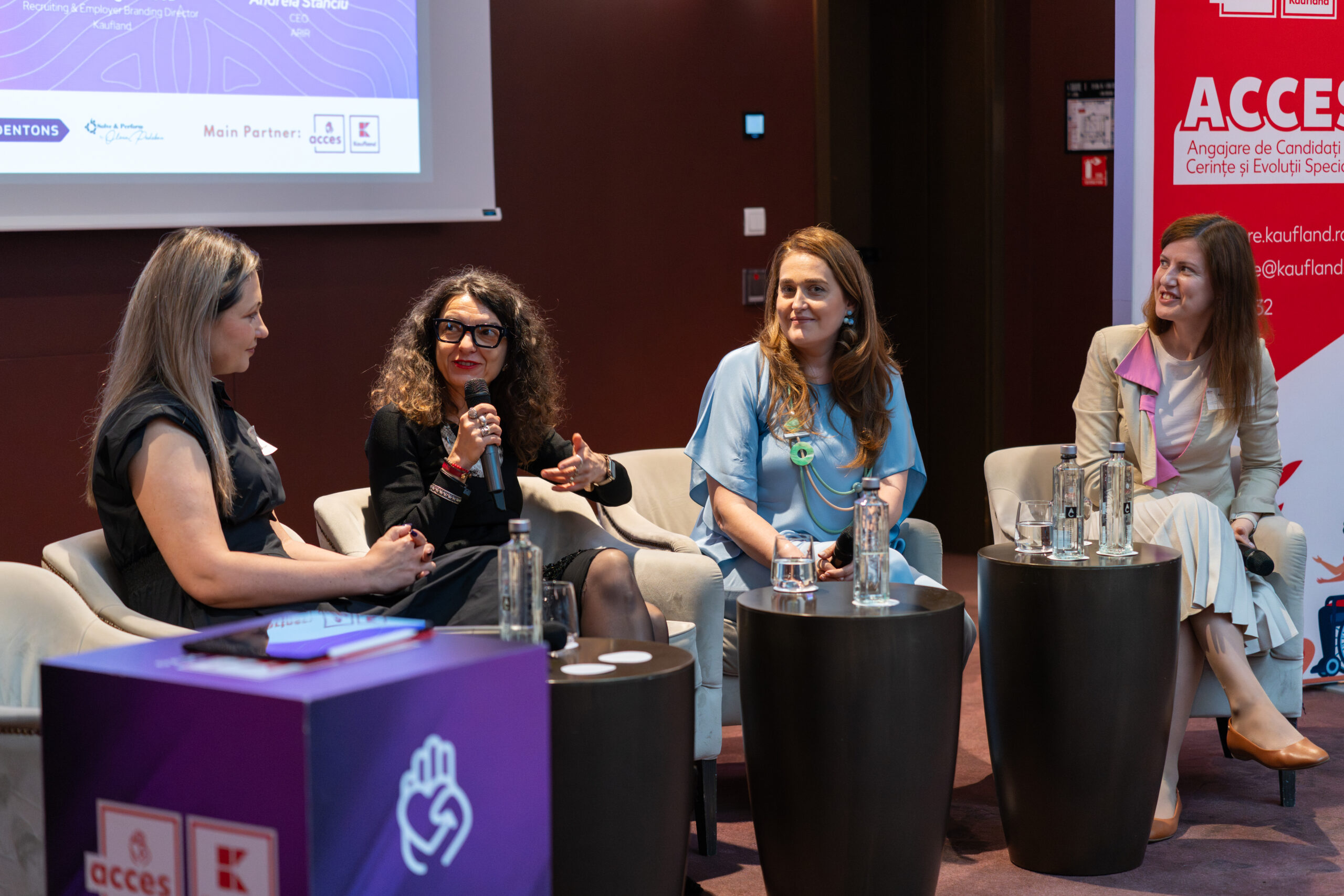
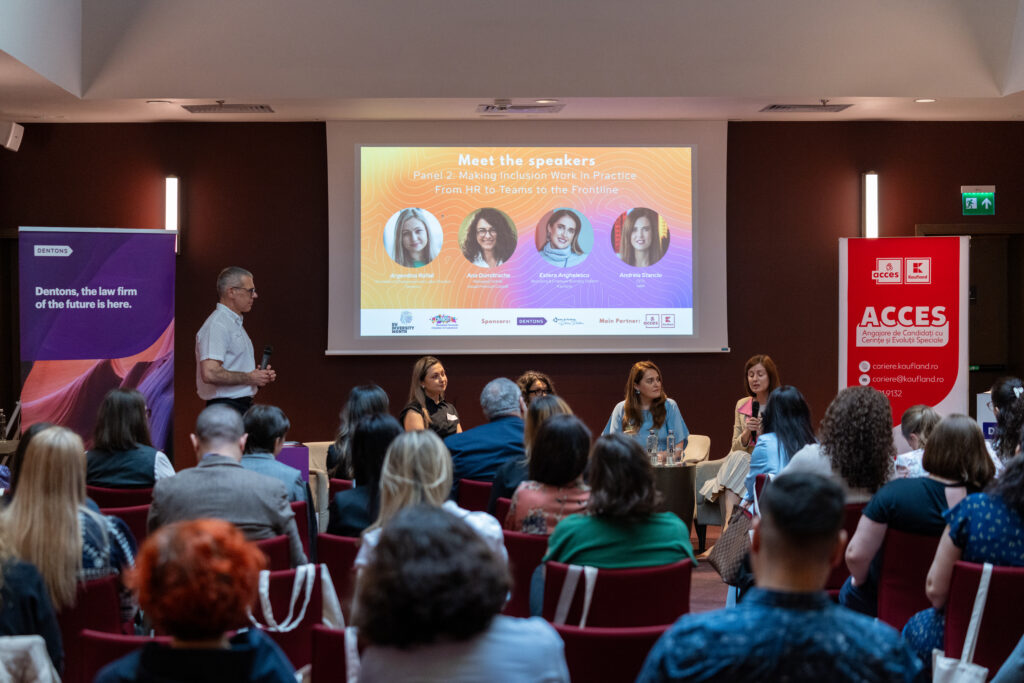
The second panel, “Making Inclusion Work in Practice — From HR to Teams to the Frontline”, brought the conversation down from strategy to daily decisions. The agenda focused on embedding inclusion into HR processes, people decisions, team culture, frontline operations and global project delivery. It also highlighted pay transparency, gender-neutral pay-setting criteria, employee information rights, age inclusion for workers aged 50+, flexible work, reskilling and anti-age discrimination practices.
This is where the business case becomes tangible.
A company does not become inclusive because it publishes a statement. It becomes inclusive when job criteria are clear, pay decisions can be explained, managers understand bias in performance reviews, older workers are not quietly written off, and teams across countries or functions can collaborate without forcing people to erase what makes them different.
The strongest companies are beginning to understand that inclusion is not a parallel HR project. It is infrastructure.
Estera Anghelescu captured this in another reflection from the press materials: companies that will withstand the years ahead have understood that inclusion is “not separate from performance, but an integral part of it.” She linked this to multigenerational collaboration, European reporting requirements, talent retention and innovation in an uncertain economic environment.
That message may be especially important in Romania and the wider region, where businesses are competing not only on cost or location, but on the ability to attract, retain and grow skilled people. In a labour market shaped by demographic change, migration, digitalisation and fast-moving expectations from younger employees, belonging is not a “soft” idea. It is a retention strategy.
The new leadership test: credibility
If the first half of the conference asked what must change in DEI systems, the third panel asked what must change in leaders.
“Inclusive Leadership in Practice — Allyship, Culture & Sustainable Impact” explored how inclusive leadership shows up in everyday decisions, behaviours and team culture. The agenda also placed mental health and wellbeing inside the inclusion conversation, asking how leaders can sustain purpose-driven work without burnout, fatigue or emotional overload.
This matters because one of the least discussed failures of DEI work has been exhaustion. Too often, inclusion has depended on the same people telling the same stories, challenging the same stereotypes and carrying the same emotional labour, while the formal business system remains unchanged.
A future-ready inclusion strategy cannot rely on heroic individuals. It needs accountable leaders.
That means allyship must become more than empathy. It must become sponsorship, decision-making, budget, policy, measurement and follow-through. It means leaders must learn to notice whose ideas are interrupted, whose expertise is doubted, whose potential is underestimated, and whose career depends on being exceptional just to be considered equal.
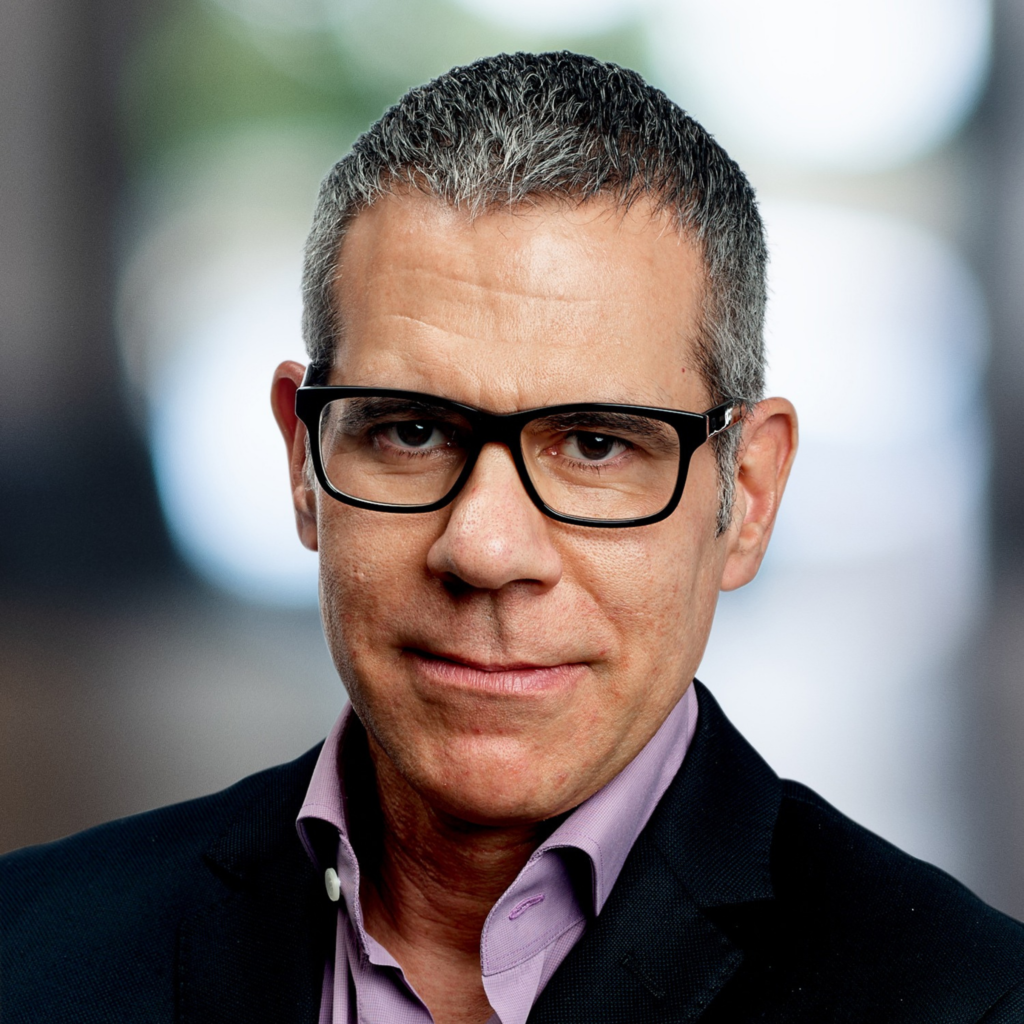
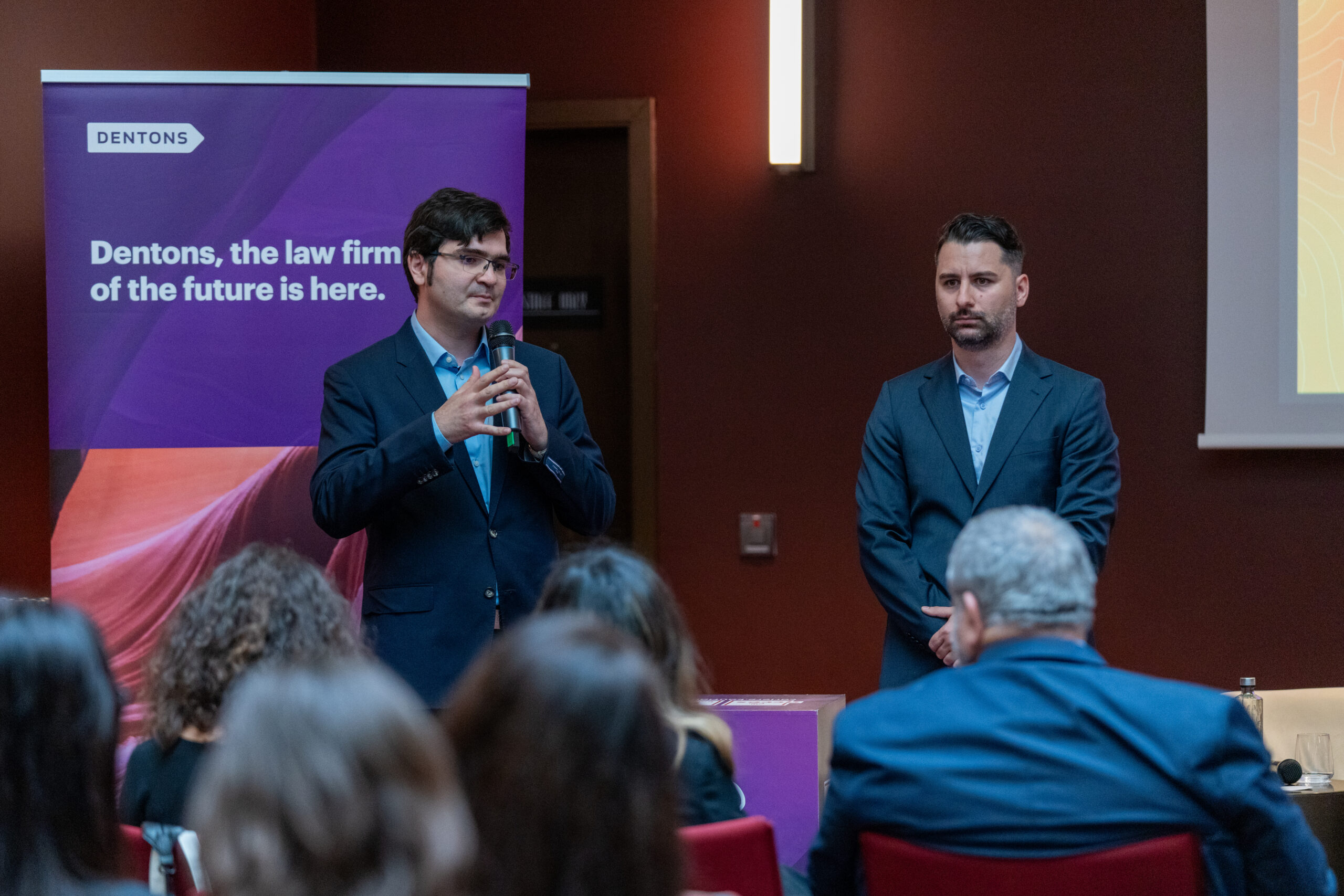
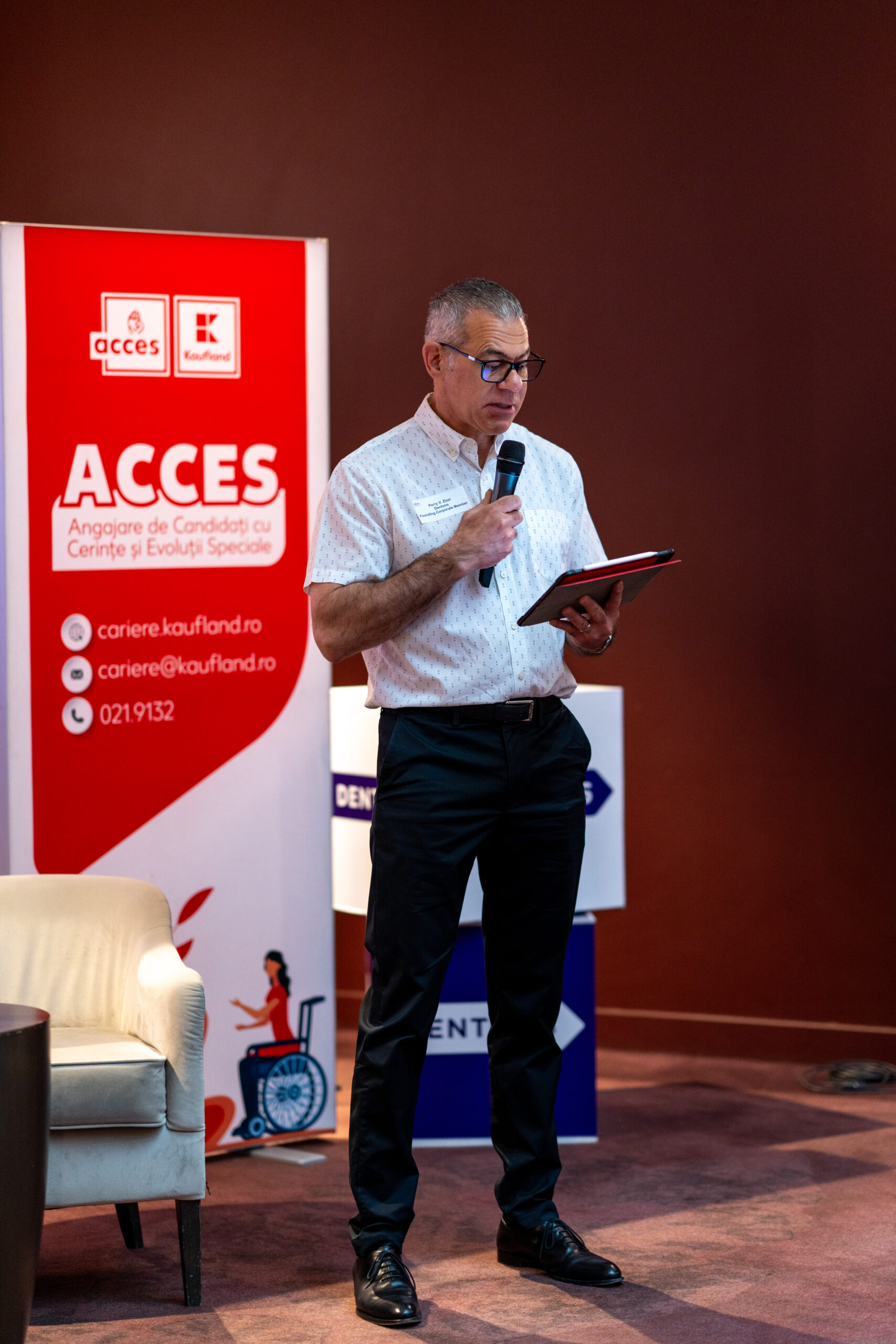
As Perry V. Zizzi, founding member of RDCC and Managing Partner of Dentons Romania, put it in the press materials: “DEI has entered a new phase — one that requires evidence, credible language, responsible leadership and stronger links to business outcomes.”
That may be the sentence European businesses need most right now.
AI, neuroinclusion and the future of work
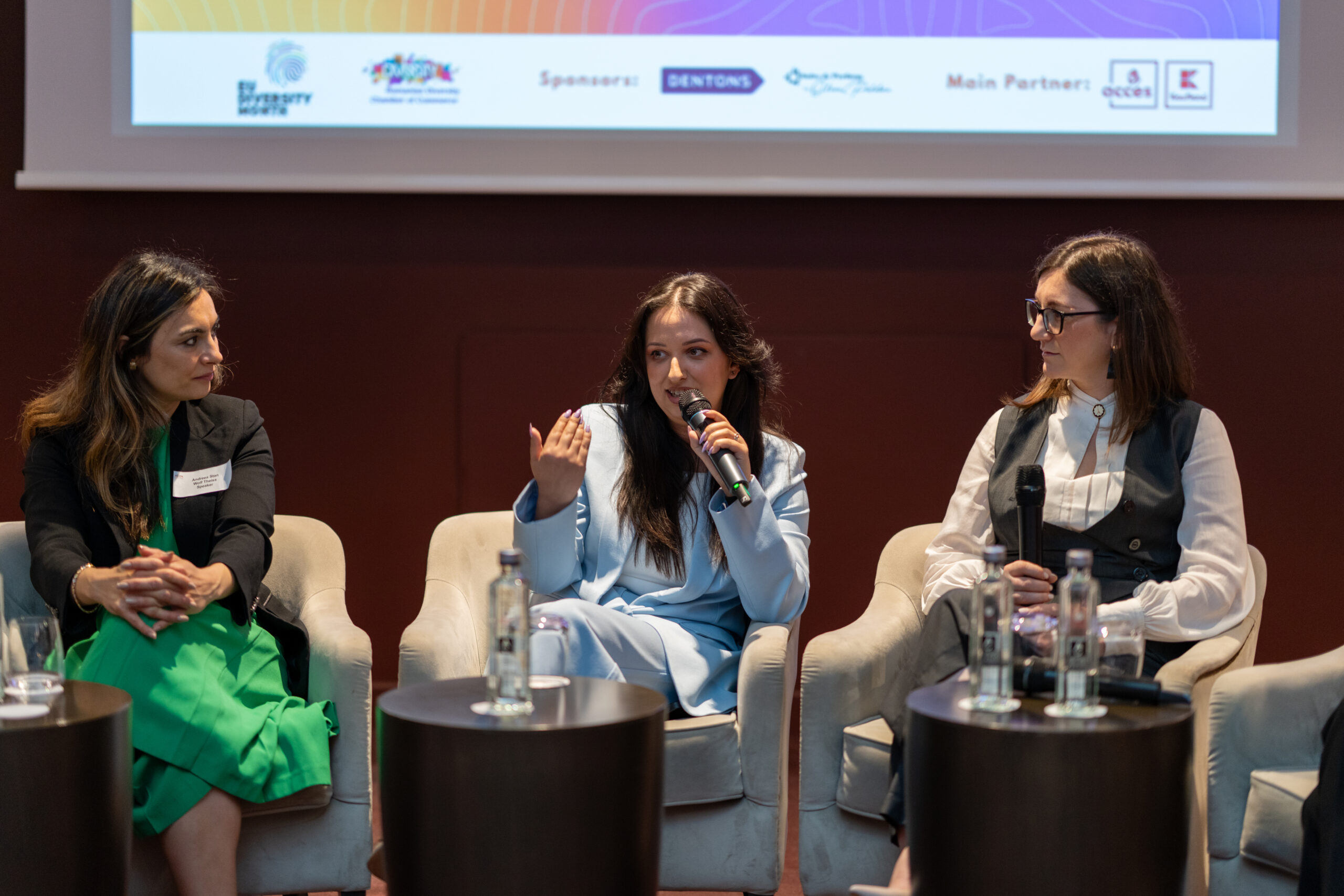
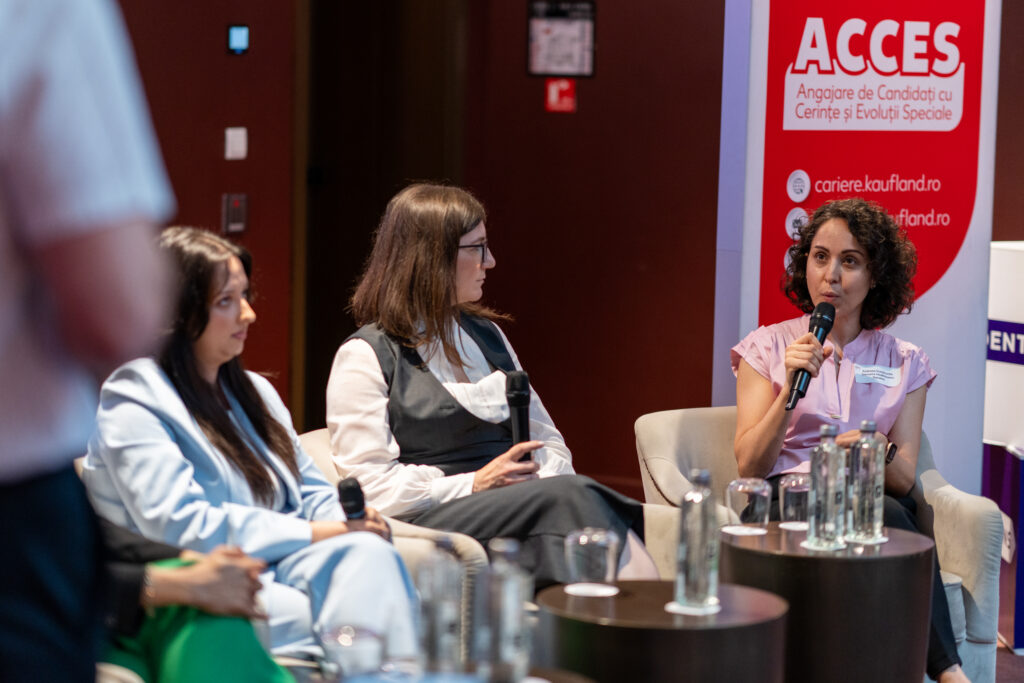
The final panel looked forward: “The Future of DEI — AI, Neuroinclusion & Global Shifts Shaping the Workplace.”
The agenda placed AI, bias, transparency, trust, accountability and neuroinclusion at the centre of the next two to three years of workplace change. That focus is timely. The EU AI Act is already positioning Europe as a global regulator of AI risk, and the European Commission describes it as the first comprehensive legal framework for artificial intelligence. (Stratégie numérique de l’UE) Employment-related AI systems — including tools used in recruitment, selection and worker management — are among the areas that raise high-risk concerns, because they can shape access to opportunity at scale. (Loi IA Européenne)
For companies, this creates both risk and possibility.
AI can help identify patterns, reduce administrative burden and improve access when designed well. But when poorly governed, it can automate exclusion, hide bias behind technical language and make unfair decisions harder to challenge.
That is why the future of DEI will increasingly belong to companies that can ask better questions: What data trained this tool? Who was missing from that data? Can employees understand or contest decisions? Is productivity being improved, or is burnout being accelerated? Are neurodivergent employees being supported by design, or forced to adapt to systems never built for them?
Neuroinclusion, in particular, may become one of the clearest tests of whether companies understand the next phase of inclusion. It connects belonging with productivity, cognitive diversity, wellbeingand innovation. It also asks organisations to move beyond one-size-fits-all workplace design.
Inclusion as competitive maturity
For those who attended RDCC’s Future of DEI Conference 2026, and for those who could not be in the room, the takeaway is this: DEI is not disappearing in Europe. It is becoming more serious.
It is moving from statements to systems. From intention to evidence. From awareness to accountability. From symbolic representation to fairer access to opportunity. From separate HR programming to the core of business resilience.
This does not mean the road ahead will be easy. The backlash is real. The language is shifting. Leaders are under pressure to avoid polarisation. But retreating from inclusion would be a strategic mistake, especially in a Europe where regulation, talent, technology and competitiveness are converging around fairness and trust.
The companies that succeed will not be the ones that shout the loudest about DEI. They will be the ones that can prove it works: in hiring, in pay, in leadership, in innovation, in retention, in employee experience and in the markets they serve.
That is the role RDCC continues to play — not as a commentator from the sidelines, but as a connector between business, compliance, policy and social progress. Through advisory services, certification programmes and executive training, RDCC supports companies in building resilient, diverse workforces and inclusive supply chains, bridging inclusion, compliance and business success.
At its best, inclusion is not a defensive posture. It is a growth strategy.
And in Bucharest, amid the pressure, the uncertainty and the global noise, the message was unmistakable: the future of DEI in Europe will belong to organisations brave enough to redesign it — and disciplined enough to measure it.