
When Belonging Becomes A Business Strategy
From Florence To The Future Of Technology
At first glance, Renaissance Florence and a major technology conference in Bucharest may seem worlds apart.
One belongs to marble domes, patrons, artists and the Medici family. The other to artificial intelligence, software engineering, cloud infrastructure, cybersecurity and the fast-moving language of digital transformation.
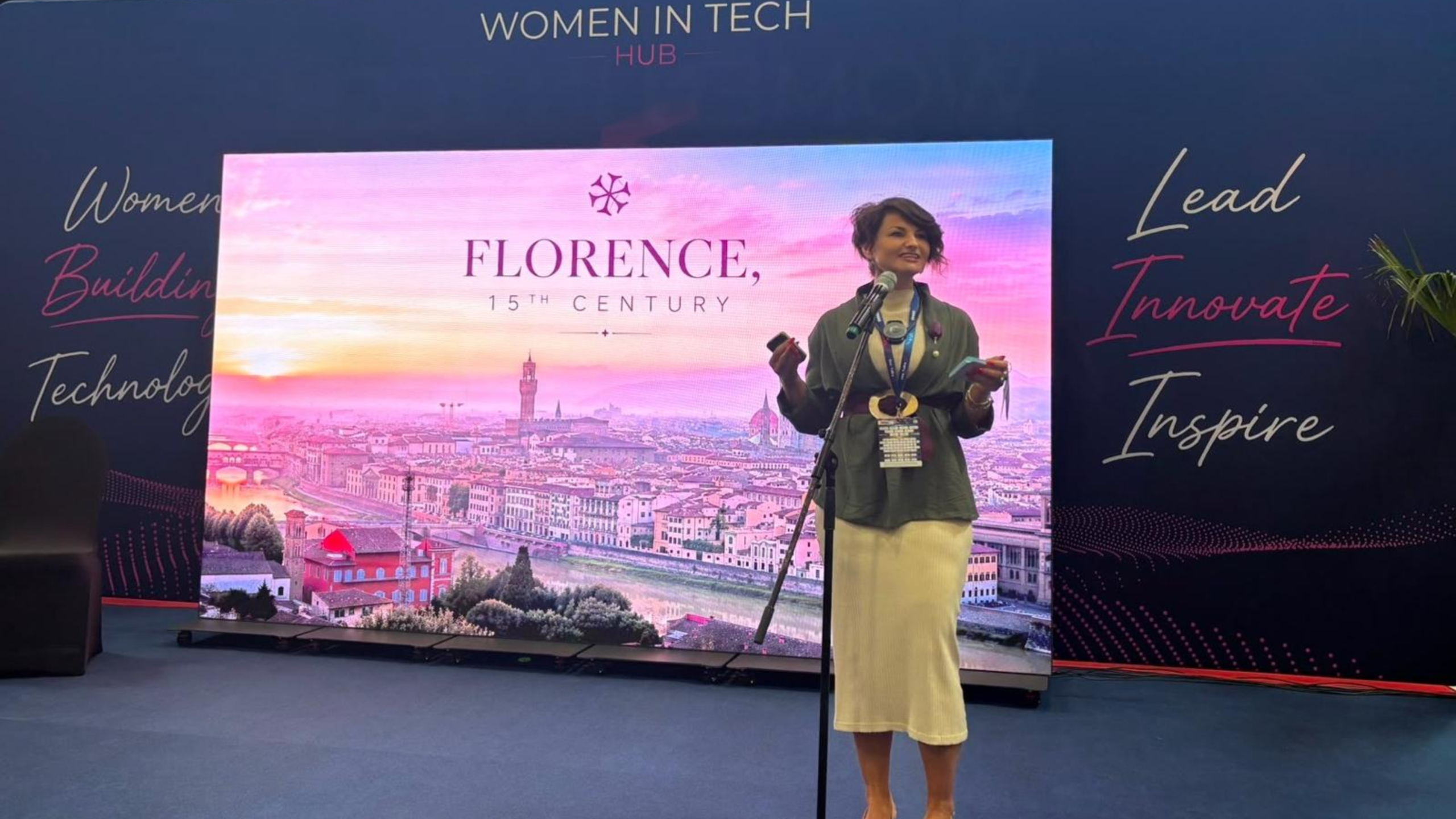
But on the Women in Tech stage at DevTalks Bucharest 2026, Dr. Giulia R. Tufaro invited the audience to see the connection differently.
Her message was simple, but demanding: power is designed. So is belonging.
Speaking before one of Romania’s most important technology communities, Tufaro — Founder of the ìMedici Institute of Strategic Philanthropy, Managing Director of Filantropì Renactimento, and Corporate Partnerships Director of the Romanian Diversity Chamber of Commerce (RDCC) — asked a question that sits at the heart of both innovation and inclusion: Who gets to belong, grow, lead and stay?
DevTalks 2026 brought together thousands of technology professionals, international and local speakers, founders, engineering executives, AI specialists and corporate leaders to discuss the future of software engineering, artificial intelligence, cloud infrastructure, cybersecurity and digital transformation.
Inclusion As Business Infrastructure
For RDCC, Tufaro’s presence on that stage was more than a speaking engagement. It was a powerful expression of the Chamber’s mission: to make inclusion visible not as a side conversation, but as a core driver of economic growth, corporate innovation and long-term competitiveness.
Her keynote, “How Ecosystem Design Changes Who Gets to Belong, Grow, Lead and Stay,” drew lessons from the Medici leadership model in Renaissance Florence and translated them into a modern business challenge. In technology, she argued, innovation does not emerge only from intelligence or individual talent. It emerges from ecosystems: the structures, networks, cultures and leadership models that determine who receives visibility, support, trust and opportunity.
That idea is deeply aligned with RDCC’s own work in Romania and across Europe.
RDCC exists to advance inclusive economic growth by helping companies, institutions and communities build fairer, more competitive systems. Its work brings together corporates, NGOs, policymakers, entrepreneurs and underrepresented communities around a practical belief: diversity and inclusion are not reputational accessories. They are business infrastructure.
Tufaro gave that belief a vivid language.
“Giulia’s keynote at DevTalks reflects exactly what RDCC stands for: inclusion as a driver of innovation, competitiveness and economic growth,” said Lestat Monroe, Founder and Vice President of RDCC. “Our role is to help companies move beyond isolated initiatives and build fairer, more future-ready ecosystems where diverse talent and diverse communities can fully participate.”
Why Visibility Changes Opportunity
It is a message that lands far beyond the conference room. In many companies, talent already exists. Women are there. People with disabilities are there. Roma professionals, LGBTQ+ employees, migrants, young workers, older workers and people from disadvantaged backgrounds are there. But access to sponsorship, leadership pathways, procurement opportunities, boardrooms, funding, mentorship and trust is often uneven.
And when visibility is uneven, opportunity becomes uneven too.
This is where RDCC’s mission becomes urgent for today’s business leaders. Inclusive growth is not only about who enters the workplace. It is about who is recognized once they are there. Who is developed. Who is promoted. Who is invited into decisions. Who is trusted with responsibility. Who gets to shape the future of the company, the market and the economy.
Tufaro framed this not as charity, but as design.
In her keynote, she described belonging as an architectural decision, not a program. Inclusion, in this view, is not a campaign once a year or a statement on a website. It is the way a company builds recruitment, culture, leadership, partnerships, procurement, community engagement and innovation pipelines.
RDCC’s Role In Building Inclusive Ecosystems
This is where RDCC’s work connects directly to the future of business in Romania.
Through its platforms, events, corporate partnerships and ecosystem-building initiatives, RDCC helps companies move from intention to implementation. It creates spaces where inclusion becomes practical: in recruitment, accessibility, supplier diversity, ESG alignment, corporate partnerships, leadership development and public-private collaboration.
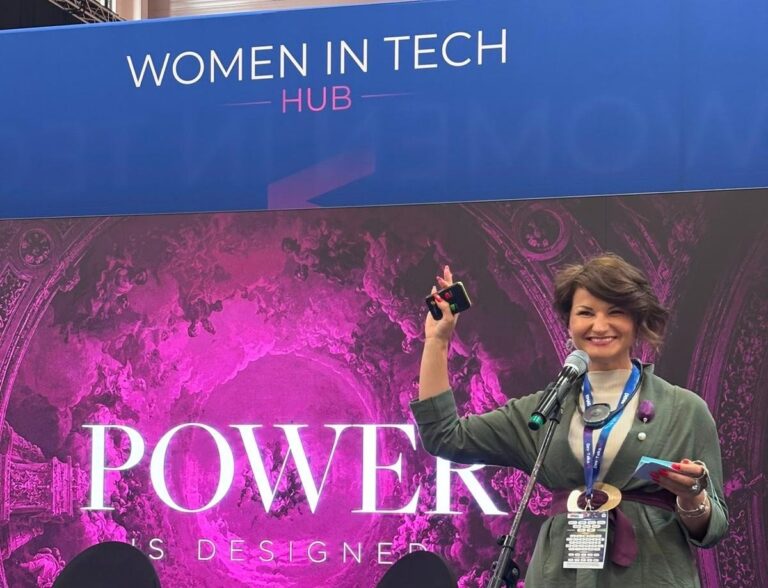
“Talent does not disappear because it is absent,” said Dr. Giulia R. Tufaro. “Too often, it disappears because organizations have not designed the systems that allow people to be seen, trusted, supported and invited to lead. Inclusion is not a soft value. It is the infrastructure that determines who gets to contribute to the future.”
The 4-Houses Framework
Tufaro’s keynote also introduced her 4-Houses Framework, inspired by the Medici ecosystem: the Villa, the Palazzo, the Signoria and the Bank. In her model, these represent culture and purpose, communication and visibility, people and engagement, and resources and sustainability.
For corporate leaders, the framework offers a useful reminder: inclusion cannot sit in one department. It must travel across the whole organization. Culture without resources is symbolic. Visibility without access is fragile. Engagement without influence is shallow. Purpose without systems does not scale.
This is why RDCC continues to advocate for inclusive economic growth as a strategic business priority. Fairness and competitiveness are not opposites. In modern markets, they increasingly depend on each other.
The Companies That Will Be Ready For The Future
The companies that understand this will be better prepared for the future. They will be able to recruit from wider talent pools, build stronger trust with employees, respond to regulatory and ESG expectations, develop products and services for diverse customers, and participate credibly in European and global conversations about responsible growth.
The companies that do not understand it may still speak the language of innovation, but they will leave too much human potential unused.
At DevTalks, Tufaro captured this tension through one of the keynote’s most memorable ideas: the companies that will win the talent war are not the ones with better salaries, but the ones that design ecosystems people want to belong to.
That does not mean salaries do not matter. They do. Fair pay remains fundamental. But compensation alone cannot create belonging, trust or purpose. It cannot replace leadership, fairness, accessibility, psychological safety or meaningful opportunity.
A Future-Ready Business Strategy
For RDCC, this is the next frontier of diversity and inclusion in business: helping organizations move beyond representation toward systems that make participation real.
Because inclusion is not only about inviting people into the room.
It is about redesigning the room so that more people can contribute, influence, lead and stay.
And perhaps that is why Tufaro’s closing question feels so relevant for companies today: What continues to exist because we existed?
For RDCC, the answer is being built every day: more inclusive workplaces, stronger corporate-community partnerships, fairer access to opportunity, more visible diverse talent, and a business ecosystem in which growth is not reserved for the few, but designed to include the many.
That is not just a diversity agenda.
It is a future-ready business strategy.